
3 min read
How To Measure PR in GA4: Connecting Earned Media to Business Impact
By: Ashley Klaus Nov 19, 2026, 9:00:03 AM
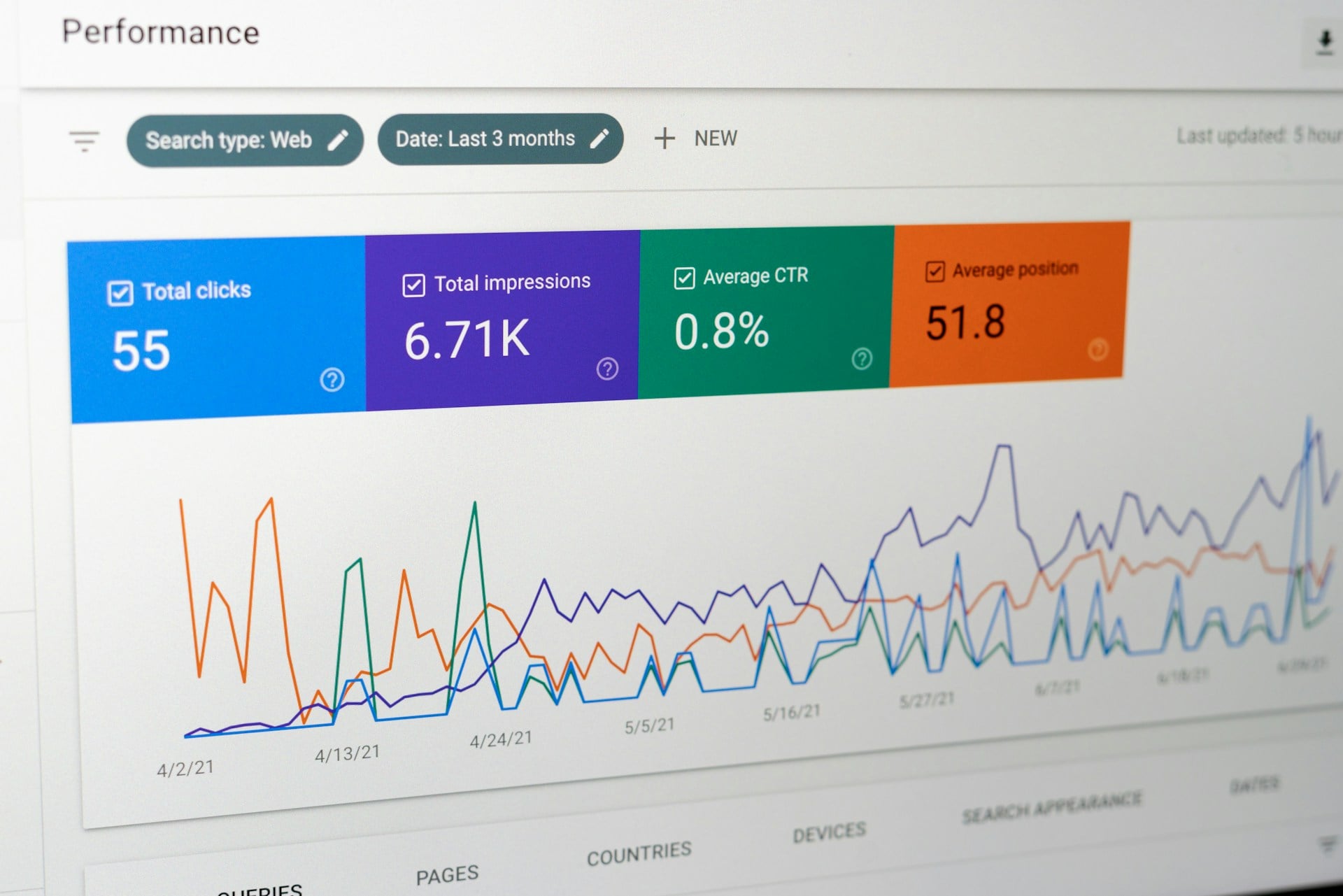
PR measurement goes beyond counting the number of media placements your PR team secures. It's about understanding what happens after someone reads about your brand in the media and how that exposure contributes to meaningful business results. Did the coverage drive website traffic? Did visitors engage with your content? Did they eventually become leads or customers? That's where Google Analytics 4 (GA4) can help.
While GA4 can't tell you the entire story of PR performance, it provides valuable insight into how audiences interact with your website. And when combined with other marketing and business data, it helps paint a clearer picture of PR's overall impact.
Here are three ways to make your GA4 data more meaningful.
1. Look beyond referral traffic
When someone clicks on a link in a media placement and arrives at your company’s website, GA4 can often identify the publication that sent them there. Instead of just saying, “This placement drove 50 web sessions,” PR teams can take their reporting to the next level by looking at what those visitors did once they landed on the site.
-
Which pages did they visit?
-
Did they read additional content?
-
Did they engage with key pages or resources?
-
Did they complete a desired action, such as downloading a resource or requesting a demo?
-
Did they return to the website later?
This context matters because it gives more insight into PR’s business impact. For example, a national publication may have sent 500 visitors to your website, while a niche trade publication sent just 75. At first glance, the national placement looks more valuable. But what if those 75 visitors spent more time exploring your content, visited high-intent pages and generated several qualified leads? That would indicate the smaller placement delivered a much greater business impact than the national placement.
While referral traffic is a valuable indicator, it isn't the complete picture. Not every article includes a link, and not every reader who sees your coverage will click through to your website. That's why it's important to consider referral traffic alongside other indicators of PR performance.
2. Use tracking links to measure amplification
Not every visit generated by PR starts with a direct click from a media placement. Your company might share the coverage on LinkedIn, an executive might post about it on their personal channels or your sales team might include it in email outreach.
That's where UTM parameters come in. These are tags added to URLs that help GA4 identify where website traffic originates. For PR teams, they are useful when measuring the additional exposure generated by sharing earned media across owned channels (because just getting the media placement is only half the battle – now you have to amplify the coverage for maximum impact!)
For example, if your company shares an article on LinkedIn, you can use a tracking link to identify how many people visited your website from that post and measure the actions they took afterward. The same logic applies to press releases, email newsletters and executive thought leadership posts.
One important note: PR teams don’t control a reporter's article or the links they choose to include. UTMs are best used where your team controls distribution.
3. Watch for the ripple effect of media coverage
Media coverage can influence how people discover and engage with your brand, even when it doesn't lead to an immediate website visit. Some will remember your company’s name, search for your brand at a later date or return to your website when they're ready to learn more.
In the weeks following a major media placement or campaign, pay attention to:
-
Changes in organic search traffic
-
Growth in direct website visits
-
More returning website visitors
-
Increased interest from reporters in the products, services or topics featured in your coverage
-
Increases in these metrics point to growing brand awareness
While you can't automatically attribute every increase to PR, analyzing these trends alongside your media coverage can help demonstrate PR’s broader influence in the sales funnel.
Measure PR's contribution, not just its reach
PR reporting should go beyond placements and website visits. Consider how coverage builds brand awareness, strengthens credibility, attracts the right audiences and creates new business opportunities. No single metric tells the whole story, but together they can show the bigger picture.
Ultimately, the question isn't how much coverage your company earned. It's what changed because of it.
Comments